driver cost dubai to abu dhabi
Guides

How Much Is a Driver From Dubai to Abu Dhabi?

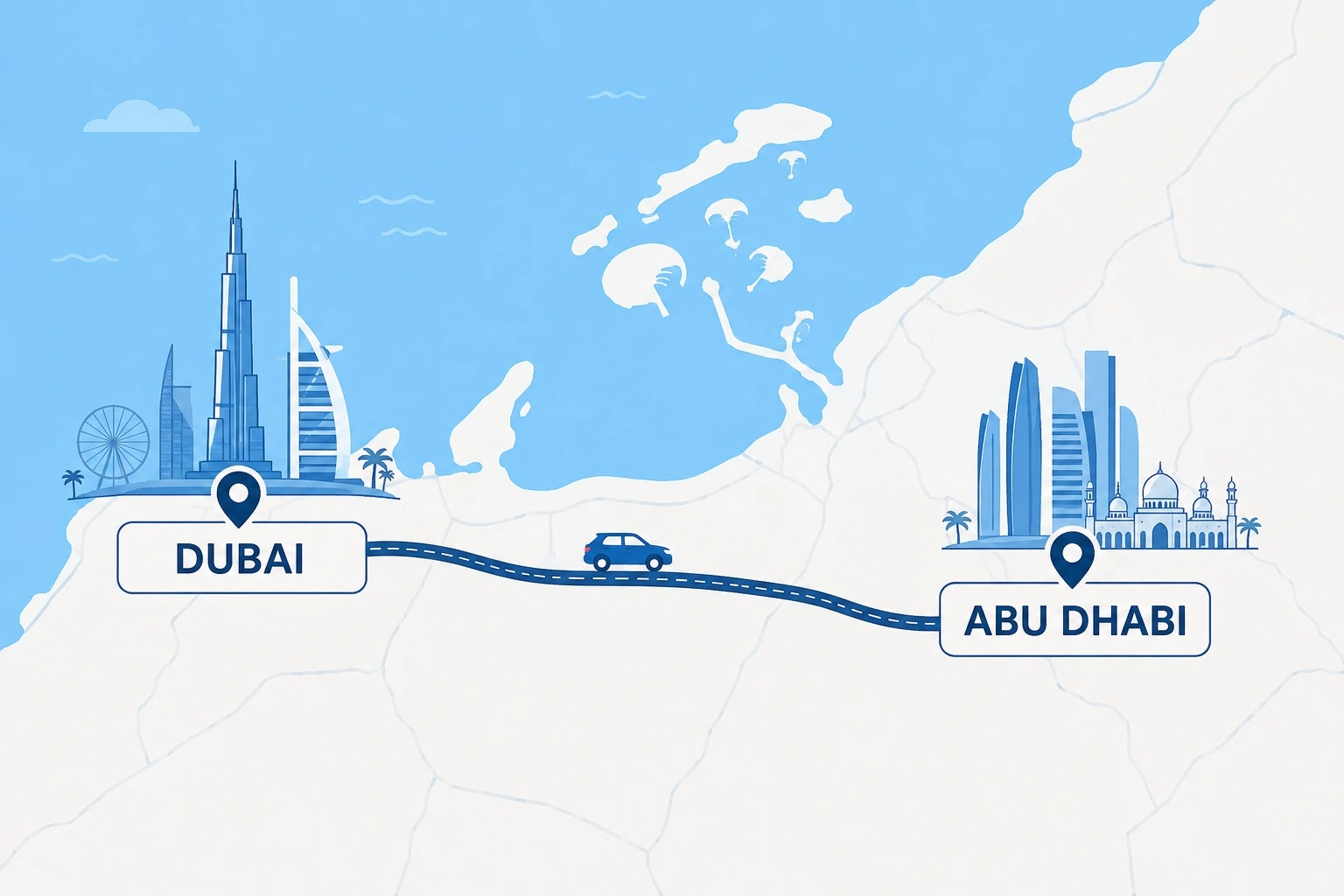
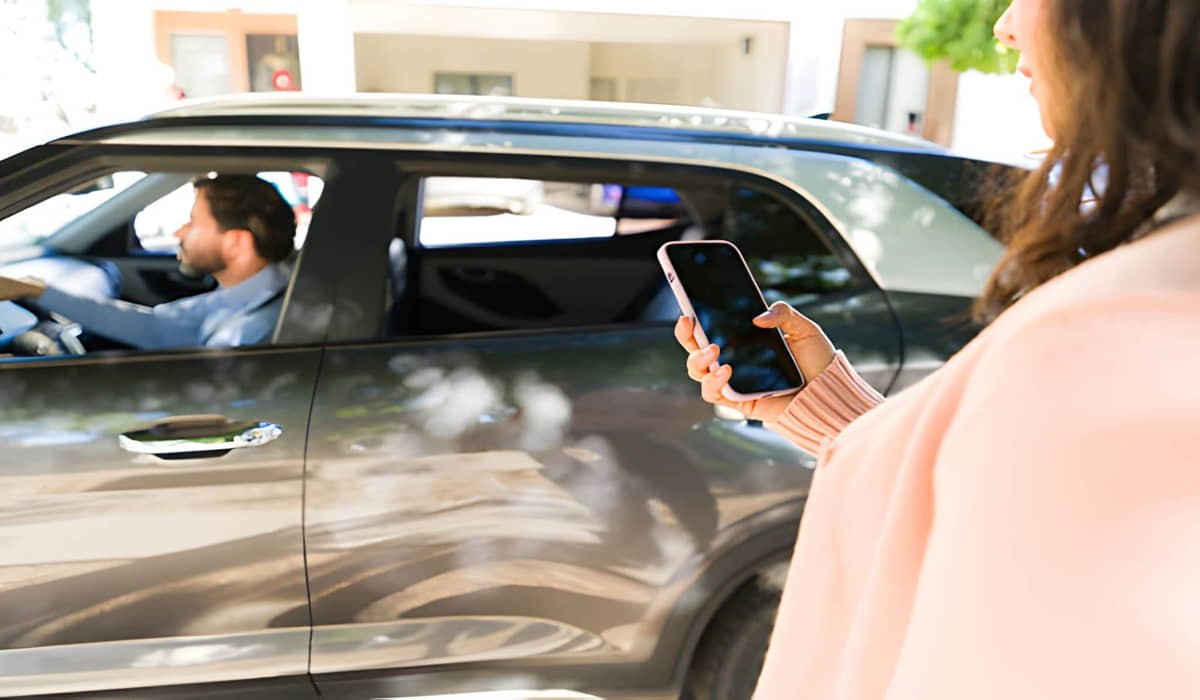
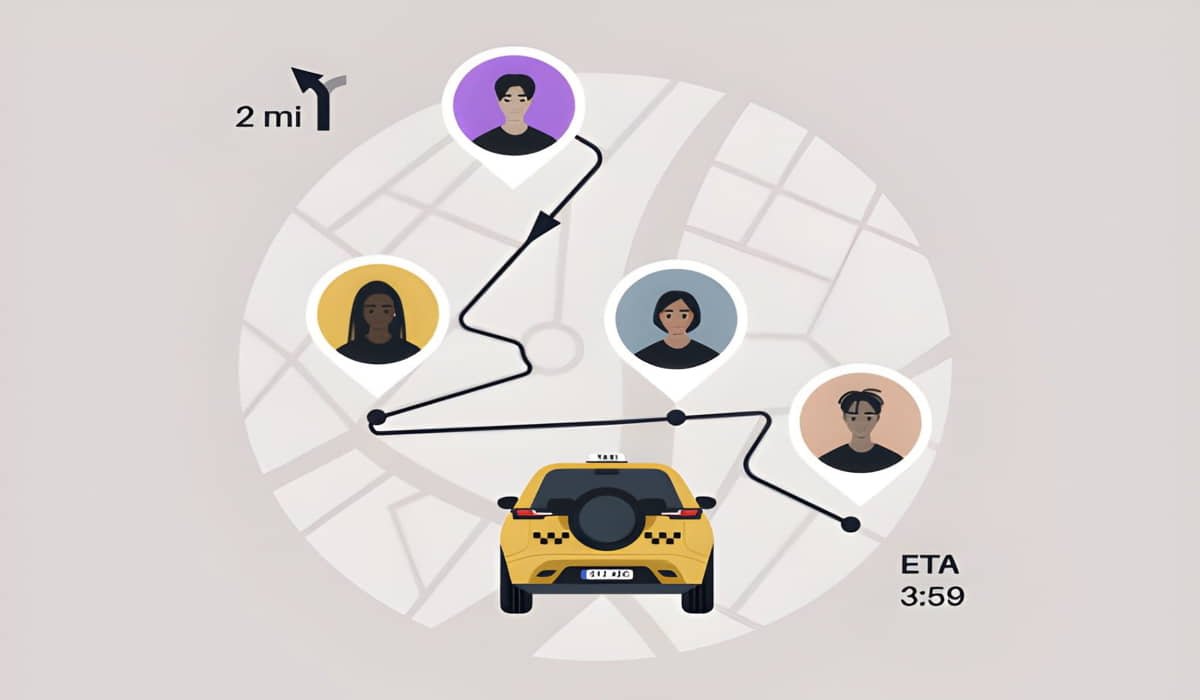
Hiring a driver from Dubai to Abu Dhabi costs between AED 180 to AED 350 per trip, depending on the service type, vehicle, and booking platform. Taxis run AED 250 to AED 300. Ride-hailing apps like Uber and Careem charge AED 180 to AED 250. Private chauffeur services cost AED 300 to AED 500 or more, depending on the vehicle class. The route covers roughly 140 kilometres one way. That distance, combined with the UAE’s intercity transport regulations, pushes driver costs significantly higher than most short city trips. Here’s the full breakdown of every option. Taxi Driver Cost From Dubai to Abu Dhabi A metered taxi from Dubai to Abu Dhabi runs between AED 250 to AED 300 for a standard one-way trip. The fare depends on traffic conditions, time of day, and the exact pickup and drop-off locations. Dubai taxis use a metered system. The meter starts at AED 5 for a regular cab. Long intercity fares accumulate quickly across 140 kilometres of highway driving. Peak hours and heavy traffic push the final meter reading higher than off-peak trips on the same route. Taxis are convenient and widely available but expensive for daily use on this route. A daily commuter using taxis both ways would spend AED 500 to AED 600 every single working day. That’s AED 11,000 to AED 13,200 per month on transport alone. Uber and Careem Driver Cost App-based ride-hailing services charge AED 180 to AED 250 per trip from Dubai to Abu Dhabi under normal conditions. Surge pricing during peak morning hours, bad weather, or high demand periods pushes that figure higher. Uber and Careem calculate fares based on distance, time, and current demand. The intercity rate applies differently from standard city trip calculations. Always check the fare estimate inside the app before confirming the booking. Both platforms offer different vehicle categories. Standard options like UberX or Careem Go sit at the lower end of the price range. Premium categories like Uber Black or Careem Business run AED 300 to AED 450 for the same route. Private Chauffeur Service Cost Private chauffeur services in Dubai charge AED 300 to AED 500 for a one-way trip to Abu Dhabi in a standard executive vehicle. Luxury car options, including Mercedes S-Class, BMW 7 Series, or similar premium vehicles, push the fare to AED 600 to AED 1,000 per trip. These services cater to business executives, VIP travellers, and anyone requiring a professional, discreet, and comfortable journey. The driver waits at the destination and returns the client when required. That waiting time adds to the total cost. Corporate accounts with chauffeur companies often get negotiated monthly rates that reduce the per-trip cost for frequent business travellers. Intercity Car Lift Driver Cost Licensed car lift services from Dubai to Abu Dhabi charge AED 50 to AED 80 per trip for a dedicated driver without shared passengers. This sits between app-based ride hailing and standard taxis on the price scale. These services often operate through smaller local platforms or direct booking. Vehicle quality varies more than with established app platforms. Always verify licensing and insurance before booking any intercity car lift service outside major platforms. Shared Car Lift – The Cheapest Driver Option If cost is the priority, shared car lift services cut the per-person cost dramatically. Multiple passengers share one driver and one vehicle. The total trip cost is split equally between everyone. A shared car lift on this route costs each passenger AED 15 to AED 35 per trip, depending on the platform and number of passengers. Monthly packages for daily commuters bring that per-trip cost even lower. A private car lift in Dubai costs twice as much as a shared one, but the comfort level is high. This is the most affordable way to have a driver take you from Dubai to Abu Dhabi without using public transport. The driver handles everything. You simply show up, get in, and arrive at your destination. What Affects the Driver Cost on This Route Several factors push the cost up or down on any given trip. Time of day matters significantly. Morning rush hours between 7 and 9 AM see higher demand and higher prices on app-based platforms. Midday and late evening trips often cost less. Day of the week affects pricing too. Sunday mornings at the start of the UAE work week see peak demand on this route. Friday and Saturday trips outside rush periods cost less across most platforms. Vehicle type changes the fare considerably. A standard sedan costs less than an SUV or a premium vehicle. If you don’t need a large or luxury vehicle, booking the standard option saves meaningful money. Booking method also affects the cost. Last-minute bookings during high-demand periods trigger surge pricing. Booking in advance through monthly packages locks in the lowest available rate before demand fluctuations hit. Return Trip Costs Most drivers and services charge the same rate for the return trip. A round trip by taxi costs AED 500 to AED 600. A round trip on Uber or Careem runs AED 360 to AED 500 under normal pricing. Some private chauffeur services offer round-trip packages at a slightly reduced combined rate. Always ask about round-trip pricing before booking a one-way fare if you know you’ll need the return journey too. Waiting Time Charges If you need the driver to wait at the Abu Dhabi destination and return you to Dubai later, waiting time charges apply on top of the base fare. Taxi meters continue running during waiting periods. App-based platforms charge per minute for waiting beyond a short grace period. Private chauffeur services charge hourly waiting rates that typically run AED 50 to AED 150 per hour, depending on vehicle class. For business trips where waiting time is unavoidable, private chauffeur monthly packages often offer better value than paying individual waiting charges on each separate trip. Monthly Driver Cost for Daily Commuters Daily commuters who need a driver every working day face dramatically different monthly costs depending on which service

free shuttle from abu dhabi to dubai
Guides

Is There a Free Shuttle From Abu Dhabi to Dubai?

There is no official free shuttle service between Abu Dhabi and Dubai for the general public. Some employers, universities, and large companies operate free staff shuttles between the two cities as an employee benefit. Outside of those private arrangements, every available transport option on this route carries a fare. If you’ve been searching for a free ride on this route, here’s the honest picture of what actually exists and what your most affordable options are. Why No Free Public Shuttle Exists The Abu Dhabi to Dubai route covers 140 kilometres of highway. Running a shuttle service across that distance costs serious money in fuel, vehicle maintenance, driver wages, insurance, and licensing fees. No government body currently subsidises a free intercity shuttle for the general public on this route. Both Abu Dhabi and Dubai operate their own internal public transport networks. The connection between the two emirates runs through paid bus services managed by the respective transport authorities. What Companies and Universities Offer Many large employers with staff spread across both emirates run private shuttle buses as part of their employment package. Abu Dhabi government departments, large construction firms, hospitals, universities, and multinational companies often include transport as a staff benefit. These shuttles are free for employees but completely closed to the general public. You need to be on the company payroll or enrolled at the institution to access them. If your employer offers this benefit and you’re not using it, that’s worth checking with your HR department immediately. The Closest Thing to Free – Subsidised Transport Some employers don’t run full shuttles but provide transport allowances that cover part or all of the commute cost. This isn’t technically free transport but achieves the same financial outcome for the employee. Check your employment contract for transport benefits. Many UAE residents don’t claim transport allowances they’re entitled to simply because they never asked HR about what their package includes. Cheapest Paid Options If No Free Shuttle Is Available Since a free public shuttle doesn’t exist, the next best thing is the most affordable paid option available on this route. Car lift from Abu Dhabi to Dubai brings the per trip cost down to AED 15 to AED 35 per person. Monthly carpool packages reduce that further to AED 12 to AED 20 per trip for daily commuters. This is as close to free as paid transport gets on the Abu Dhabi to Dubai route. Public buses run by the RTA and Abu Dhabi transport authorities charge AED 25 to AED 35 per trip. They’re affordable but slow and drop passengers at fixed terminals that may require a second transport connection at both ends. RTA Bus Services on This Route The closest paid option to a subsidised service is the E100 and E101 bus routes connecting Abu Dhabi and Dubai. These intercity buses run regularly throughout the day and cost AED 25 to AED 35 per trip. Buses depart from Abu Dhabi Central Bus Terminal and arrive at Union Square and Al Ghubaiba bus stations in Dubai. The journey takes between 2 and 2.5 hours, depending on traffic. Fixed stops mean you need onward transport at both ends unless you happen to live and work near those exact terminal locations. For the pure ticket price, the bus is the cheapest paid option. For total journey cost including onward transport and time value, shared carpool services often work out to be equal to or cheaper. Intercity Bus Schedule and Frequency The E100 bus between Abu Dhabi and Dubai runs frequently throughout the day. Buses depart roughly every 30 to 60 minutes during peak periods. Early morning and late evening services run less frequently. Checking the latest schedule through the RTA website or app before travelling gives you accurate current timing. Schedules adjust during public holidays and special events in either city. Free Shuttle Rumours and What They Actually Are Occasionally, residents hear about free shuttles on social media or through word of mouth. These usually refer to one of three things. First, private employer shuttles that someone is describing without mentioning they’re employee-only services. Second, promotional shuttles run temporarily during specific events like exhibitions or festivals in either city. Third, hotel shuttles connecting specific properties in Dubai and Abu Dhabi that are free for guests staying at those properties only. None of these are permanent free public shuttles available to any resident who wants to travel between the two cities. Event Shuttles Worth Knowing About Major events occasionally bring temporary free or subsidised shuttle services between Dubai and Abu Dhabi. Large exhibitions, national day celebrations, and major sporting events have historically featured shuttle arrangements for attendees. These are event-specific and temporary. They don’t represent a permanent transport solution for regular commuters. Following RTA and Abu Dhabi transport authority announcements keeps you informed when these temporary services become available. What to Do If You Need the Cheapest Option Right Now If no free shuttle is available to you and cost is the main concern, here’s the practical action plan. First, check with your employer about transport benefits or shuttle services you may not know about. Second, explore monthly shared carpool packages on licensed platforms for the lowest per-trip cost available on this route. Third, compare the E100 bus total journey cost, including any onward transport at both ends, against carpool services before assuming the bus is cheaper overall. Monthly carpool packages for this route bring the total monthly transport cost down to AED 600 to AED 900 for daily commuters. That’s the most affordable private transport option available when no free employer shuttle exists. The Bottom Line No free public shuttle runs between Abu Dhabi and Dubai for the general public. Private employer and university shuttles exist, but only for staff and students. If you don’t have access to a free employer shuttle, monthly shared carpool services deliver the lowest cost alternative on this route. Check your employment package first, then explore registered carpool platforms for the most affordable paid option available.

ladies car lift safe or not
Guides

Can Ladies Use Car Lift Services in the UAE?

Yes, ladies can absolutely use car lift services in the UAE. Licensed platforms like Uber, Careem, and Go Car Lift operate legally across Dubai and Abu Dhabi with full RTA approval. Both platforms offer verified drivers, real-time GPS tracking, and dedicated women-only ride options. Millions of women use these services daily across the UAE without any issues. Safety and legality in car lifts are the two questions most women ask before booking in the UAE. Both answers are straightforward and reassuring. Are Car Lift Services Legal for Women in the UAE? Car lift services through licensed, RTA-approved platforms are completely legal for everyone in the UAE, including women. There are no gender-based restrictions on using registered ride-hailing or shared transport services. The UAE has one of the most progressive and organised transport frameworks in the region. Women travel independently across both emirates daily using taxis, ride-hailing apps, buses, and shared car lifts without any legal or social barriers. Women Only Ride Options in Dubai Careem operates a women-only captain option in Dubai called Careem Ladies. Female passengers can specifically request a female driver for their trip. The option appears in the app at booking and connects women passengers with verified female captains only. This service runs across Dubai and gives female commuters complete control over who drives them. Same price. Same route. Same GPS tracking. Just a female driver behind the wheel for passengers who prefer that arrangement. How Licensed Platforms Protect Women Passengers Every RTA-approved ride-hailing platform builds multiple safety layers into its service that specifically protect female passengers. Driver identity is verified before every trip. Passengers see the driver’s full name, photo, car model, and licence plate before the car arrives. If anything doesn’t match, don’t get in and report it through the app immediately. Real-time GPS tracking means every trip is monitored from pickup to drop-off. The route is recorded. Any deviation from expected paths is visible in the system. Nothing happens off the record. Share Your Trip Feature Every major ride-hailing platform in the UAE offers a live trip sharing feature. One tap sends your real-time location and estimated arrival time to any contact you choose. A trusted friend or family member watches your journey on their screen throughout the trip without needing the same app. This single feature adds a powerful layer of security to every solo journey. Women travelling alone at night or on longer intercity routes should use this feature on every single trip. In App Emergency Button Uber, Careem, and other licensed platforms have a dedicated emergency button inside the app. One tap connects directly to local emergency services and automatically shares your live GPS location with them. No searching for phone numbers. No explaining where you are. The app handles both instantly. This feature is available throughout the entire trip from the moment the ride begins. Shared Car Lifts and Women’s Safety Shared car lift services carry multiple passengers at once. For female passengers, travelling with other people in the vehicle adds a natural layer of security compared to riding alone with a single driver. Many female commuters in the UAE prefer shared car lifts between Dubai and Abu Dhabi specifically because the presence of other passengers creates a safer travel environment for solo women on long highway routes. Fixed shared routes also mean the driver follows a known path without unexpected detours. Predictable routing combined with multiple passengers makes shared car lifts a comfortable daily option for women commuters across the UAE. What to Check Before Booking Any Car Lift Whether booking a shared or private car lift, a few quick checks before every trip keep female passengers protected. Always verify the car details match what the app shows before getting in. Check the driver’s photo against the actual driver. Confirm the driver states your name before you give yours. Share your live trip with at least one trusted contact. Sit in the back seat when travelling alone. Never accept rides from drivers who approach you outside the app offering cheaper fares. Unlicensed informal arrangements carry none of the safety protections that registered platforms provide. Car Lift Culture for Women in the UAE The UAE has a strong culture of safe and respectful transport for women. Strict laws govern driver conduct across all licensed transport services. Any driver found guilty of harassing or mistreating a passenger faces immediate licence cancellation and serious legal consequences. RTA regulations require all licensed transport providers to maintain zero tolerance policies on passenger mistreatment. The accountability system through driver ratings, trip recording, and complaint processes creates strong disincentives for bad behaviour. Reporting Issues as a Female Passenger If anything feels wrong during a trip, act immediately. Use the in-app emergency button. Call 999 if the situation is urgent. Share your location with a trusted contact if you haven’t already. After the trip, report any concerning behaviour through the app with as much detail as possible. Include the time, route, driver name, and exactly what happened. Licensed platforms investigate every complaint, and the RTA accepts direct reports through their hotline at 800-9090. Your report protects the next female passenger using that service. Never stay silent after a negative experience. Intercity Car Lifts for Women The Dubai to Abu Dhabi route is used daily by thousands of female commuters working across both emirates. Licensed shared car lift services on this route give women a safe, affordable, and comfortable daily transport option. Monthly packages on licensed platforms lock in consistent drivers and consistent routes for regular female commuters. Familiar drivers and predictable arrangements add an extra layer of comfort for women making this journey every working day. Always use registered platforms for intercity car lifts. Avoid any informal arrangements advertising this route through social media or messaging groups, regardless of the price offered. The Bottom Line Ladies can use car lift services across the UAE freely, legally, and safely through licensed platforms. Women only driver options, real time tracking, emergency buttons, and strict driver accountability create a

how to split cost in carpool
Guides

How Do You Split Cost in a Carpool?

The fairest way to split costs in a carpool is to divide the total trip expenses equally between every passenger, including the driver. Add up fuel, tolls, and parking. Divide by the number of people in the car. Everyone pays the same amount. Simple, transparent, and nobody feels shortchanged. Getting the cost split right keeps carpool arrangements running smoothly for months and years. Get it wrong and the whole arrangement falls apart within weeks. The Equal Split Method This is the most common and most accepted method. Total trip cost divided by the total number of people in the car. Everyone pays the same share, including the driver. If four people travel from Dubai to Abu Dhabi and the total trip costs AED 80 in fuel and tolls, each person pays AED 20. The driver collects AED 20 from each of the three passengers and keeps their own AED 20 share as their contribution. Clean, simple, and nobody argues about fairness. What Costs Go Into the Split Most carpoolers only split fuel. But a fair cost split should cover every expense the trip actually generates. Fuel is the highest cost. Calculate it honestly based on actual consumption for the route, not a rough guess. Toll gates add up on routes like Dubai to Abu Dhabi. Salik toll charges hit the driver’s account automatically. These should be included in the total before splitting. Parking fees at the destination end often get forgotten. If the driver pays for parking every day, that cost belongs in the shared total too. Car wear is the most overlooked cost. Tyres, oil changes, and general maintenance all increase with mileage. Some carpool groups include a small contribution toward vehicle wear to keep things completely fair for the driver. How to Calculate the Fuel Cost Accurately Guessing fuel costs leads to arguments. Here’s the accurate way to work it out. Check your car’s fuel consumption per 100 kilometres. Most mid-size cars in the UAE consume 8 to 12 litres per 100 kilometres on highway driving. The Dubai to Abu Dhabi route covers roughly 140 kilometres one way. At 10 litres per 100 kilometres, that’s 14 litres per trip. At current UAE fuel prices around AED 3 to 3.50 per litre, one way costs approximately AED 42 to 49 in fuel. So, car sharing between Dubai and Abu Dhabi is more cost-effective compared to any other mode of transport. Divide that by four passengers, and each person pays AED 10.50 to AED 12.25 per trip. Add tolls and parking, and the per-person total sits around AED 15 to AED 25 per trip on this route. Rotating Driver Method Some carpool groups skip cost splitting entirely by rotating who drives. Each person drives one day per week. Over a month, the driving burden is shared equally among everyone. This works cleanly when all passengers live close to each other, and the route stays consistent. No money changes hands. No calculations needed. Everyone contributes equally through their turn behind the wheel. The downside is that not everyone drives the same car. Fuel efficiency varies between vehicles. One driver’s car might cost more to run than another’s. Most groups accept this small variation as fair enough given the simplicity of the arrangement. Weekly vs Monthly Payment Options Daily cash payments after every single trip get inconvenient fast. Most established carpool groups move to weekly or monthly payment cycles. Weekly payments mean each passenger settles with the driver every Friday or at the end of the work week. It’s simple to track and keeps amounts small enough that nobody struggles to pay. Monthly payments work best for fixed route commuters with consistent schedules. Calculate the monthly total upfront based on working days. Passengers pay at the start of the month. The driver doesn’t chase anyone for money during the month. Monthly carpool packages through licensed platforms handle this automatically. Payment processes through the app upfront. No collection. No awkward reminders. No forgotten payments. Digital Payment Methods That Work Best Cash works but creates friction. Digital payments make carpool cost splitting smoother and more transparent for everyone. Bank transfers through UAE banking apps are clean and traceable. Both parties have a record of every payment without keeping paper records. Payment apps popular in the UAE make splitting and transferring small amounts instant. The driver requests the amount. Passengers pay with one tap. Done. Some dedicated carpool platforms handle payment entirely within the app. Passengers load credit. The platform distributes payments to drivers automatically after each trip. Zero manual collection involved. What Happens When Someone Misses a Trip This is where carpool cost splitting gets complicated. Someone calls in sick. Someone works from home. Someone travels for business. Do they still pay their share? Most carpool groups set a clear rule upfront. If you give at least 24 hours’ notice, you don’t pay for that trip. If you cancel last minute or simply don’t show up, you pay your share anyway because the driver still made the trip and covered the full cost. This rule protects the driver from absorbing costs for no-shows. It also encourages passengers to communicate cancellations early rather than leaving the driver waiting. Dealing With Unequal Distances Not every passenger travels the full route. Some get picked up halfway. Some get dropped earlier than the final destination. Equal splitting feels unfair in these situations. The fairest solution is distance-based splitting. Calculate the total route distance. Work out what percentage of that distance each passenger travels. Apply that percentage to the total cost. A passenger travelling 70 of 140 kilometres pays 50 percent of their equal share. A passenger travelling the full distance pays their full share. The maths takes two minutes and removes any sense of unfairness from the arrangement. Setting Clear Rules From Day One Every successful carpool arrangement has clear rules agreed upon before the first trip. Vague arrangements lead to awkward conversations later. Decide upfront how costs get calculated. Agree on the payment cycle. Set the

cheapest way to travel from dubai to abu dhabi
Guides

What’s the Cheapest Way to Travel From Dubai to Abu Dhabi?

The cheapest way to travel from Dubai to Abu Dhabi is through carpool services. When three or four people share one car on the same route, the total fuel and travel cost is split equally between everyone. A solo driver spends AED 50-80 per trip. A carpooler pays as little as AED 15-25 for the same journey. No other travel option on this route comes close to matching carpool services from Dubai to Abu Dhabi on pure cost per trip. Here’s the full breakdown of every option so you can see exactly why carpooling wins. Every Travel Option on This Route – Side by Side Before going deep, here’s the honest cost picture for every way to get from Dubai to Abu Dhabi. Carpool services cost AED 15-25 per person per trip when shared between three or four people. Monthly carpool packages bring the per-trip cost down even further to AED 12-20 per trip. Public bus costs AED 25-35 per trip. Cheap but slow, and drops you at fixed terminals far from most workplaces and homes. Uber or Careem costs AED 180-250 per trip, depending on traffic and time of day. Comfortable but far too expensive for daily commuters. Taxi costs AED 250-300 per trip. The most expensive private option on this route by a significant margin. Driving solo costs AED 50-80 in fuel alone per trip. Add toll gates, parking fees in Abu Dhabi, and monthly car maintenance, and the real monthly cost climbs well above AED 2,500. Carpool services beat every single option on this list when cost is the priority. Why Carpool Services Save the Most Money The logic is simple. One car makes the trip regardless of how many people sit inside it. The fuel cost stays roughly the same whether one person or four people travel in that car. When four people share that fuel cost equally, each person pays a quarter of what a solo driver pays. On a route that costs AED 70 in fuel one way, four carpoolers each pay AED 17.50. That’s it. Toll costs are split the same way. Parking at the Abu Dhabi end splits the same way. Every shared expense is divided equally among passengers. The savings compound across every cost category simultaneously. Monthly Savings That Actually Change Your Budget Run the numbers across a full working month, and the difference becomes impossible to ignore. A solo driver covering this route daily spends AED 2,500 to 3,500 per month when fuel, parking, tolls, and monthly vehicle wear are all counted properly. That’s a significant portion of a monthly salary going purely to commuting. A daily carpool commuter on the same route pays AED 600 to 900 per month through a monthly carpool package. That’s a monthly saving of AED 1,600 to 2,600 per person every single month. Over a full year, that saving reaches AED 19,000 to 31,000. That’s not small change. That’s a return flight home, months of rent savings, or a genuine financial cushion built purely by sharing a car. If you want private rides, then you can go for private car lift services. Why Public Bus Doesn’t Win on Value Buses look cheap on paper at AED 25-35 per trip. But the real cost of bus travel on this route goes beyond the ticket price. Buses drop passengers at fixed terminals in Abu Dhabi. Most workplaces and residential areas aren’t within walking distance of those terminals. That means paying for another taxi or bus at both ends of every journey. Add that extra cost, and the total bus journey expense climbs closer to carpool prices without any of the comfort or convenience. Buses also run on fixed schedules that don’t always match work hours. Missing a bus on this route means a long wait or an expensive backup option. How Carpool Services Work on This Route Booking a carpool service from Dubai to Abu Dhabi is straightforward. Choose a licensed and registered platform. Enter your pickup location in Dubai and your destination in Abu Dhabi. Pick your travel time and confirm your booking. The platform matches you with other commuters travelling the same route at the same time. Everyone shares one car. Costs are split automatically through the app. No cash negotiations. No awkward conversations about who owes what. Monthly packages lock in your seat and your rate for the entire month upfront. Your ride is confirmed every working day without rebooking each morning. Is Carpool the Comfortable Option Too? Cost savings matter most for daily commuters. But comfort on a 90-minute highway journey matters too. Carpool services use private cars, not buses. You get a proper seat in an air-conditioned vehicle. No standing. No crowding. No hard bus seats through 140 kilometres of highway. Passengers who aren’t driving can rest, work on laptops, catch up on messages, or simply enjoy the journey. You arrive in Abu Dhabi fresher than a solo driver who just navigated 90 minutes of highway traffic alone. Legal and Safe Carpool Services in UAE Not every cheap option on this route is legal. WhatsApp groups and informal cash arrangements carry real legal risks under UAE transport law. Unlicensed drivers face fines starting at AED 3,000 and vehicle impoundment. Legitimate carpool services operate under proper registration and follow UAE transport regulations. Passengers on licensed platforms travel with proper insurance coverage and full trip accountability. Always choose a registered carpool platform for this route. The cost is equally low, but the legal protection and safety standards are completely different from informal arrangements. Tips to Save Even More on This Route Monthly packages always cost less per trip than daily bookings. If you commute on this route regularly, locking into a monthly plan is the single best way to cut costs further. Travelling during off-peak hours can also reduce costs on some platforms. Early morning departures before the main rush and midday trips outside peak demand windows often carry lower rates than 8 AM peak slots. Travelling with colleagues from the same

ride sharing safe
Guides

Is Ride Sharing Safe and Secure?

Ride sharing is safe and secure when used through licensed, RTA-approved platforms. Apps like Uber and Careem verify every driver through background checks, track every trip in real time, and give passengers a way to share their route with trusted contacts. No cash changes hands, and every ride is fully recorded. Safety is the first question anyone asks before stepping into a stranger’s car. Here’s everything you need to know before your next ride. How Licensed Platforms Keep You Safe Every RTA-approved ride sharing service in Dubai builds multiple safety layers. It’s not just about getting from A to B. It’s about making sure you arrive without any problems. Drivers go through identity verification before their first trip. Vehicles pass safety inspections before hitting the road. Every single trip gets logged with time, route, driver details, and fare. Nothing happens off the record. Driver Verification and Background Checks Before a driver gets approved on any licensed platform, they go through a strict screening process. This includes a criminal background check, a valid UAE driving licence check, and an RTA orientation program. Drivers who fail any part of this process don’t get approved. Platforms also monitor driver behaviour continuously through passenger ratings. A driver with consistently low ratings gets flagged and reviewed. Real Time GPS Tracking Every licensed ride sharing app tracks your trip from start to finish using GPS. You can see your driver’s name, photo, car model, and licence plate before they arrive. The route is visible on your screen throughout the journey. This means if a driver takes an unexpected turn, you will notice it immediately. The app also records the exact route taken. Nothing can be hidden or disputed after the trip ends. Share Your Trip Feature Most ride sharing apps have a built-in safety feature that lets you share your live trip with a contact. One tap sends your real-time location and estimated arrival time to a friend or family member. They can watch your journey on their screen without even having the app. It’s one of the most practical safety tools available, and most passengers never use it. Start using it today. In App Emergency Button Uber, Careem, and other licensed platforms have an in-app emergency button. One tap connects you to local emergency services and shares your live location automatically. You don’t need to search for a number or explain where you are. The app does it for you. This feature alone makes licensed apps significantly safer than unofficial car lifts arranged through WhatsApp or social media. No Cash Means Less Risk Cashless payments through the app remove one of the oldest risks in transport. No cash in the car means drivers have no reason to put passengers in uncomfortable situations over money. Payment is automatic, recorded, and transparent. Receipts land in your email after every trip. Disputes over fares are handled through the app with full records to back up both sides. Ride Sharing Safety for Women Women travelling alone have extra safety options on most platforms. Some apps offer women-only driver options. All platforms allow passengers to share trips instantly with contacts. In Dubai, licensed platforms follow the RTA conduct rules strictly. Any complaint about driver behaviour triggers an immediate investigation. Drivers found violating passenger safety rules lose their licence permanently. For safe women’s ride sharing services, head to gocarlift.com. What Passengers Can Do to Stay Safe The platform does its part. Passengers have a responsibility too. A few simple habits make every ride safer. Always verify the car make, model, colour, and licence plate before getting in. Check that the driver’s photo in the app matches the actual driver. Never get into a car that approaches you offering a ride outside the app. Sit in the back seat when travelling alone. It puts physical distance between you and the driver. Keep your phone charged before booking. A dead phone in a moving car removes your main safety tools. Risks of Using Unlicensed Car Lifts Unofficial car lifts arranged through WhatsApp groups or social media carry real risks that most people underestimate. No background check on the driver. No vehicle safety inspection. No GPS tracking. No emergency button. No insurance coverage if an accident happens. If something goes wrong, there is no record of the trip and no platform to report to. The money saved on an unofficial lift is never worth trading away all those safety layers. How Safe Is Intercity Ride Sharing? Routes like Dubai to Abu Dhabi involve long highway drives at high speeds. Safety on these routes matters even more than city trips. Licensed intercity services use vehicles that meet highway safety standards. Drivers on long routes are checked for fatigue compliance. Every trip is tracked from pickup to drop-off across both emirates. Unlicensed intercity lifts carry the same risks as city ones, multiplied by distance and speed. What to Do If Something Goes Wrong If you feel unsafe during a ride, use the in-app emergency button immediately. If the situation is urgent, call 999 directly. After the trip, report any concerning behaviour through the app. Include the time, route, and driver details. Licensed platforms are required to investigate every safety complaint. The RTA also accepts direct complaints through their app and hotline at 800-9090. Never stay silent after a bad experience. Your report protects the next passenger, too. Ride Sharing Safety Record in Dubai Dubai has one of the most regulated ride sharing environments in the world. The RTA’s strict licensing system keeps standards high across all platforms. Driver accountability through ratings, tracking, and background checks creates a system where bad actors get removed quickly. The result is a ride sharing network that millions of Dubai residents trust daily for work, school runs, airport trips, and late-night travel. The Bottom Line Ride sharing through licensed, RTA-approved platforms is safe and secure for daily use in Dubai. The combination of driver checks, GPS tracking, cashless payments, and emergency tools creates a strong safety net for every passenger.

what is carpooling
Guides

What Is Carpooling?

Carpooling is when two or more people share one car to travel the same route together. Instead of everyone driving separately, one person drives and the rest ride along. Everyone splits the fuel cost. It saves money, cuts traffic, and reduces the number of cars on the road. It’s one of the oldest travel habits in the world, but it still makes perfect sense today. Especially in busy cities like Dubai, where fuel, parking, and traffic are daily pain points. The Simple Definition of Carpooling Carpooling means sharing a private car with other people heading in the same direction. No one profits from it. The driver isn’t a taxi. The passengers aren’t customers. Everyone just splits the cost of the trip. It works between coworkers, neighbours, friends, or even strangers matched through an app. The only rule is that the destination or route overlaps for everyone in the car. How Carpooling Actually Works One person drives their car. Others join as passengers going the same way. Fuel costs get divided equally between everyone. Sometimes people take turns driving on different days. In a typical work carpool, four colleagues might share one car Monday to Friday. Each person drives one day a week. The rest of the time, they ride for free or split costs. It’s simple, fair, and saves everyone money without much effort. Carpooling vs Ride Hailing. What’s the Difference? Many people mix these two up. They’re very different things. Ride-hailing means paying a driver to take you somewhere. Think Uber or Careem. The driver is working. You are the customer. Money flows from the passenger to the driver as a fare. Carpooling means sharing a ride with no profit involved. The driver isn’t earning. Everyone shares the real costs only. No one is running a transport business. That’s the key difference the UAE law also recognises. Types of Carpooling Not all carpooling looks the same. It comes in a few different forms depending on the situation. Commuter Carpooling This is the most common type. Coworkers or neighbours share rides to and from work daily. Routes are fixed. Timings are consistent. It becomes a daily routine that saves everyone money over time. Dynamic Carpooling This uses apps to match drivers and passengers in real time. You don’t need a fixed group. The app finds someone going your way right now. It’s flexible and works well for people with changing schedules. Corporate Carpooling Many companies in Dubai and Abu Dhabi run carpooling programs for their staff. The company organises the matching. Employees sign up and get paired with colleagues living nearby. Some companies even offer parking benefits or allowances for participants. Intercity Carpooling This covers longer routes, such as the car lift service in Dubai and Abu Dhabi. People travelling between cities share one car and split the cost. For daily commuters, this dramatically cuts monthly travel costs. Why People Choose Carpooling The reasons are straightforward. Money is the biggest one. Fuel is expensive. Parking costs add up. Car maintenance is a constant drain. Sharing a car cuts all of these costs immediately. Time is another reason. Carpooling lanes exist on some major roads. Shared vehicles sometimes qualify for faster routes during peak hours. Less time stuck in traffic means more time for everything else. Stress is the third reason. Driving every single day in heavy city traffic wears people down. Taking turns means you only drive a fraction of the time. The rest of your commute becomes rest time. Carpooling in the UAE The UAE government actively supports carpooling. The RTA in Dubai has encouraged shared transport to reduce the number of private vehicles on roads. Fewer cars mean less congestion and lower emissions across the city. Dubai’s roads carry millions of vehicles daily. The Dubai to Abu Dhabi highway alone sees enormous daily traffic from commuters. Carpooling on this route is one of the most practical ways residents save money every single month. Is Carpooling Legal in the UAE? Yes, carpooling is legal in the UAE when done correctly. Sharing genuine travel costs between people going the same way is fully allowed. The law only steps in when someone starts charging fares and running an unlicensed transport service. And when it comes to a legal carpool provider in the whole of the UAE, look no further than the Go Car Lift. The line is clear. Splitting fuel costs between friends or colleagues is legal. Charging strangers money for rides as a regular income source is illegal. Stick to genuine cost sharing, and there’s no legal issue at all. Who Benefits From Carpooling? Everyone involved benefits in different ways. Passengers save money and avoid the stress of driving. Drivers save on fuel and get company on long commutes. Cities benefit from less traffic and cleaner air. Companies benefit from happier, more punctual employees. Even the environment benefits. One car carrying four people produces far less pollution per person than four separate cars making the same trip. How to Start Carpooling Starting is easier than most people think. Talk to coworkers or neighbours about your daily route. Check if your company has a carpooling program already running. Download an RTA-approved carpooling app to find matches near you. Set clear expectations from day one. Agree on pickup times, drop-off points, and how costs get split. Small conversations upfront prevent bigger misunderstandings later. The Bottom Line Carpooling is simply sharing a car and splitting the cost. It saves money, cuts stress, reduces traffic, and helps the environment all at once. In a city like Dubai, where daily commutes are long and costs are high, carpooling is one of the smartest habits any resident can build.

rta rules about car lift
Guides

RTA Rules About Car Lift in Dubai – You Should Know

The RTA (Roads and Transport Authority) requires all car lift services in Dubai to operate under a licensed and registered platform. Private individuals cannot legally charge money for rides without an RTA-approved permit. Only drivers registered under platforms like Uber and Careem, or licensed transport companies, can legally offer paid car lifts in Dubai. Dubai takes its transport rules seriously. If you’re using or offering car lifts, knowing the RTA rules keeps you safe, legal, and out of trouble. What Is the RTA and Why Does It Matter? The Roads and Transport Authority is Dubai’s official body that controls all transport on roads, water, and rail. Every taxi, bus, ride-share, and car lift service in Dubai falls under RTA rules. No exceptions. The RTA was set up in 2005. Since then, it has built one of the most organised transport systems in the world. Any service moving people for money in Dubai needs RTA approval first. Who Can Legally Offer Car Lifts in Dubai? Only three types of operators can legally offer paid car lifts in Dubai. The first is RTA-licensed taxi companies. These include Dubai Taxi Corporation and other franchise taxi operators approved directly by the RTA. The second is app-based ride-hailing platforms. Uber and Careem are the two biggest. Both hold valid RTA licences to operate in Dubai. Their drivers go through RTA-approved background checks and vehicle inspections. The third is licensed private transport companies. These are businesses registered with the RTA to offer intercity or corporate transport services. There is only one licensed carpool operator in Dubai and Abu Dhabi: Go Car Lift. What Private Drivers Cannot Do A private individual cannot pick up passengers and charge money for the ride. Even if it looks like a simple favour, taking payment without a licence breaks UAE transport law. The RTA calls this illegal conveyance. It doesn’t matter if the arrangement happens through a WhatsApp group, a Facebook post, or a verbal agreement. Money changing hands without a licence is a violation. The medium doesn’t matter. RTA Rules for Ride-Hailing Apps App-based platforms like Uber and Careem must follow strict RTA conditions to operate in Dubai. Driver Requirements Every driver on an RTA-approved platform must hold a valid UAE driving licence. They must pass an RTA background screening. They also need to complete an approved driver orientation program before their first trip. Vehicle Requirements Cars used for ride-hailing must pass regular RTA vehicle inspections. They need to meet the minimum safety standards set by the authority. Vehicles must also carry valid commercial insurance, not just standard personal car insurance. Fare Rules RTA sets fare guidelines for ride-hailing services in Dubai. Platforms cannot charge whatever they want. Surge pricing exists but works within boundaries that the RTA monitors. Every fare must be trackable and recorded through the app. Carpooling Rules Under the RTA The RTA supports carpooling as a way to cut traffic in Dubai. But even carpooling has rules. Genuine carpooling means sharing a ride you were already taking and splitting fuel costs equally. It’s not a paid service. No one profits from it. The RTA draws a clear line between carpooling and illegal transport based on intent and regularity. If you drive the same strangers every day and collect cash, the RTA may treat it as an unlicensed transport service regardless of what you call it. Penalties for Breaking RTA Transport Rules The RTA and Dubai Police work together to catch illegal car lift operators. Fines for illegal conveyance start at AED 3,000. The vehicle can be impounded on the spot. Repeat offenders face higher fines and possible court referrals. For expat residents, serious violations can lead to deportation. Dubai doesn’t treat transport violations lightly. How the RTA Catches Illegal Car Lifts The RTA runs regular sting operations across Dubai. Undercover officers pose as passengers and book rides through unofficial channels. Popular spots include Dubai International Airport, major malls, and busy residential areas. Reports from the public also trigger investigations. Anyone can report suspected illegal transport to the RTA directly through their app or hotline. Legal Car Lift Options for Dubai to Abu Dhabi The Dubai to Abu Dhabi route is one of the most travelled in the UAE. Many residents commute daily between the two cities for work. Legal options for this route include Careem and Uber for app-based rides, licensed intercity transport companies registered in both emirates, and public buses operated by RTA and Abu Dhabi transport authorities. Avoid any unofficial arrangement offering this route for cash. The savings are small. The legal risk is not. How to Check If a Car Lift Service Is RTA Approved The RTA website lists all licensed transport operators in Dubai. You can also call the RTA hotline at 800-9090 to verify any company or service. Before using any car lift service, check for a visible RTA licence number. Licensed drivers on approved apps also display their permit details inside the vehicle. If you can’t verify it, don’t use it. What to Do If You Face an Issue With a Car Lift If a licensed car lift driver behaves badly or overcharges, report it directly to the RTA. Every licensed trip is logged with driver details, route, time, and fare. The RTA can pull full records and act on complaints fast. For unlicensed drivers, report to Dubai Police on 999 or through the Dubai Police app. Don’t try to resolve it yourself. The Bottom Line RTA rules for car lifts in Dubai exist to protect passengers, drivers, and road safety. Licensed platforms, proper vehicles, trained drivers, and fair fares are the non-negotiables. Stick to RTA-approved services, and you’ll never have a problem. Step outside those lines, and the penalties hit hard and fast.

benefits of carpooling
Guides

What Are the Benefits of Carpooling?

The main benefits of carpooling are saving money, cutting travel stress, reducing traffic, and helping the environment. When two or more people share one car for the same route, everyone wins. You spend less on fuel, parking, and car maintenance while cutting your carbon footprint at the same time. Carpooling sounds simple because it is. But the impact it makes on your daily life and wallet is bigger than most people realise. Here’s the full picture. 1. You Save Serious Money Why Your Wallet Feels It First This is the number that gets everyone’s attention. Fuel prices, parking fees, and car wear add up fast. When you split those costs with even one other person, you cut your daily travel bill in half. Take the Dubai to Abu Dhabi route as a real example. A solo driver spends around AED 50-80 daily on fuel alone. Split that between four people and each person pays AED 12-20. Over a month, that’s a saving of AED 900-1,800 per person. That’s a holiday fund right there. 2. Less Stress Behind the Wheel Your Mental Health Gets a Break Too Driving every single day in heavy traffic is exhausting. It’s not just physical. It drains you mentally too. Studies show that long daily commutes are one of the biggest sources of stress for working adults. When you carpool, you don’t drive every day. You take turns. On your off days, you sit back, rest, listen to music, or catch up on messages. You arrive at work fresher and less drained. Less driving means more energy for the things that matter. 3. Fewer Cars on the Road One Less Car Changes More Than You Think Every car that stays home means one less vehicle adding to traffic. If four coworkers share one car instead of driving separately, that’s three fewer cars on the highway. Scale that up across a city like Dubai, and the traffic difference is massive. The UAE government actively supports carpooling for exactly this reason. Fewer cars mean smoother roads, shorter commute times, and less road rage for everyone. 4. Good for the Environment Small Action, Big Impact One car carrying four people burns far less fuel per person than four cars carrying one person each. That means fewer emissions are pumped into the air. In cities like Dubai and Abu Dhabi, where temperatures are already extreme, cutting vehicle emissions matters. Carpooling is one of the easiest ways an everyday person can reduce their carbon footprint without changing their lifestyle much. You still get to work. You just share the ride. 5. Lower Vehicle Wear and Tear Your Car Lives Longer Every kilometre you drive adds wear to your tyres, engine, brakes, and oil. When you carpool, your car stays parked on alternate days. That means longer gaps between oil changes, tyre replacements, and servicing. Over a year, this saves a significant amount in maintenance costs. Your car also holds its resale value better when the odometer reads lower. It’s a detail most drivers overlook. 6. Easier Parking Situations One Spot Instead of Four Parking in busy city areas is a daily battle. Finding a spot takes time. Paying for it takes money. In areas like Downtown Dubai or central Abu Dhabi, parking fees can hit AED 20-40 per day. When you carpool, only one car needs a parking spot. Everyone else avoids the search, the cost, and the walk from a distant lot. It’s a small win that saves real time and money every day. 7. You Build Real Connections Your Commute Becomes Social Time Spending 30 to 90 minutes in a car with colleagues or neighbours every day builds relationships naturally. You talk. You share. You laugh. Some of the strongest workplace friendships start in carpool arrangements. It’s something that remote work and emails can never replace. Human connection happens face to face. Your daily commute becomes social time instead of lonely time. 8. Safer Travel for Everyone Two Sets of Eyes Beat One Shared rides mean less fatigue driving. Tired driving is one of the top causes of road accidents. When drivers rotate, no single person carries the full burden of daily driving. Carpooling also means someone is always awake and aware in the car. That extra pair of eyes on a long highway drive between cities adds a real layer of safety that solo drivers don’t have. 9. It Helps Companies Too Businesses Win When Staff Carpool Many businesses in the UAE run carpooling programs for their staff. It reduces late arrivals caused by parking struggles. It improves employee morale. It shows the company cares about sustainability. Some companies even offer incentives like preferred parking spots or transport allowances for employees who carpool regularly. It’s a win for the business and the staff at the same time. 10. Supports the UAE’s Green Goals Carpooling Fits the National Plan The UAE has set clear targets to cut carbon emissions and build a more sustainable future. Carpooling fits directly into that national plan. The government has backed ride-sharing and carpooling initiatives across Dubai and Abu Dhabi. By carpooling, residents actively support the country’s long-term goals. It’s a small daily action that connects to a much bigger national picture. Carpooling in Dubai and Abu Dhabi A Practical Reality for Daily Commuters The Dubai to Abu Dhabi highway sees tens of thousands of commuters daily. A large chunk of them work in one city and live in the other. For these commuters, carpooling between Dubai and Abu Dhabi isn’t just convenient. It’s a smart financial decision. Splitting a daily commute between four people on this route can save each person AED 1,500 to 2,000 per month. That number alone explains why carpooling is growing fast across the UAE. The Bottom Line Carpooling saves money, cuts stress, builds friendships, and helps the planet. It’s one of those rare habits where every single benefit is real and immediate. Whether you commute daily between Dubai and Abu Dhabi or just across town, sharing a

is car lift illegal in UAE
Car Lift Guides

Is Car Lift Illegal in UAE?

Car lift services in UAE are not illegal when operated through licensed and registered platforms. Apps like Careem, Uber, and other RTA approved ride sharing services are fully legal. However, unofficial and unregistered car lifts between private individuals for money are considered illegal and can result in heavy fines. This is one of the most searched questions by UAE residents. Let’s break it down clearly so you know exactly where you stand. The Simple Truth About Car Lifts in the UAE There are two types of car lifts in the UAE. Licensed ones and unlicensed ones. The law doesn’t ban car sharing completely. It bans unregulated, money-based rides from private drivers with no official permit. Think of it like street food vs. a restaurant. One has health checks, licenses, and accountability. The other doesn’t. The UAE treats car lifts the same way. What Makes a Car Lift Legal? A car lift is legal in the UAE when it meets these conditions: Companies like Uber and Careem tick all these boxes. Their drivers go through background checks. Their cars are registered. Every trip is logged. What Makes a Car Lift Illegal? An unofficial car lift becomes illegal when a private driver charges money for rides without a transport license. This is called “illegal conveyance” under UAE law. It doesn’t matter if it’s a WhatsApp group, a Facebook post, or a friend-of-a-friend setup. The moment money changes hands without proper licensing, it crosses the legal line. The driver risks a fine of AED 3,000 or more. The vehicle can also be impounded. What About Sharing Fuel Costs? This is where it gets a little grey. Many UAE residents share rides between Dubai and Abu Dhabi and split petrol costs. Technically, splitting fuel costs between genuine friends or colleagues is not the same as charging a fare. But the law looks at intent and regularity. If you’re doing it every day with strangers and collecting money, authorities may treat it as illegal transport. If it’s a genuine cost-split between coworkers, the risk is much lower. The safest route is to always use a licensed app or platform. RTA Rules on Ride Sharing in Dubai The Roads and Transport Authority (RTA) in Dubai regulates all transport services. They have approved specific app-based platforms for ride sharing and carpooling. Only drivers registered under these platforms can legally offer paid rides. The RTA has cracked down on illegal transport several times. Sting operations have caught unofficial drivers picking up passengers at airports, malls, and bus stations. Fines are steep and penalties are serious. Is Carpooling Legal in UAE? Yes, carpooling is legal when done correctly. The UAE government actually supports carpooling to reduce traffic and cut emissions. Some companies run internal carpooling programs for employees. The key difference is this. Carpooling means sharing a ride you were already taking. Illegal conveyance means making rides your business without a license. Dubai to Abu Dhabi Car Lifts – What’s the Legal Way? The Dubai to Abu Dhabi pick and drop is one of the most popular services in the UAE. Thousands of people make this trip daily for work. Many search for cheap car lift options to save money. The legal options for this route include: Avoid random WhatsApp groups offering car lifts for cash. The savings aren’t worth the legal risk on either end. Penalties for Illegal Car Lifts in UAE The UAE takes illegal transport seriously. Here’s what can happen to unlicensed drivers caught offering paid rides: Passengers are generally not penalised. But why take the risk of riding with an unlicensed and uninsured driver? Why People Still Use Unofficial Car Lifts The honest answer is cost. Licensed apps charge more than a WhatsApp driver offering AED 40 from Dubai to Abu Dhabi. For daily commuters, that difference adds up fast. But unlicensed cars carry no insurance for passengers. If an accident happens, you’re on your own. No claim. No compensation. No protection. The cheap ride can turn into a very expensive problem. The Bottom Line Car lifts in the UAE are legal when done through licensed, RTA-approved platforms. Private drivers collecting cash without permits are breaking the law. Stick to registered apps and services for intercity travel. It keeps you safe, insured, and on the right side of UAE law.

Connect with Go Car Lift for safe, reliable, and comfortable rides across the UAE.

Services
Locations

+971 55 959 8277

Company Name

Go Car Lift

Office Address

Office No. 201, Armco No. 5, DIP 2, Dubai, United Arab Emirates

Copyright © 2026 Go Car Lift. All rights reserved.